
Wireless vs. Wired Security Systems: What You Need to Know

In a world where security breaches can happen at any moment, safeguarding your home or business has never been more essential. Choosing the right security system is a crucial step in ensuring the safety of your assets, and one of the most significant decisions you’ll face is whether to opt for a wireless or wired security system. At Security Alarms Co., we understand this challenge and are here to help you navigate your options. In this guide, we will explore the key differences, advantages, and considerations of wireless and wired security systems to help you make an informed decision.

Understanding Security Systems

Before diving into the merits of each type of system, it’s beneficial to understand what distinguishes wireless and wired security systems.

Definition of Wireless Security Systems

Wireless security systems utilize radio frequencies, Wi-Fi, or other wireless technologies to communicate with your security devices, such as:

Wireless systems have become increasingly popular due to their flexibility and ease of installation.

Definition of Wired Security Systems

Wired security systems operate using physical cables, connecting all components directly to a control panel. This typically includes:

Wired systems are time-tested and known for their stability and reliability.

Key Differences Between Wireless and Wired Security Systems

Understanding the key differences between these two systems can help you assess which option best fits your needs.

Advantages of Wireless Security Systems

Wireless security systems come with numerous benefits that cater to both homeowners and business owners:
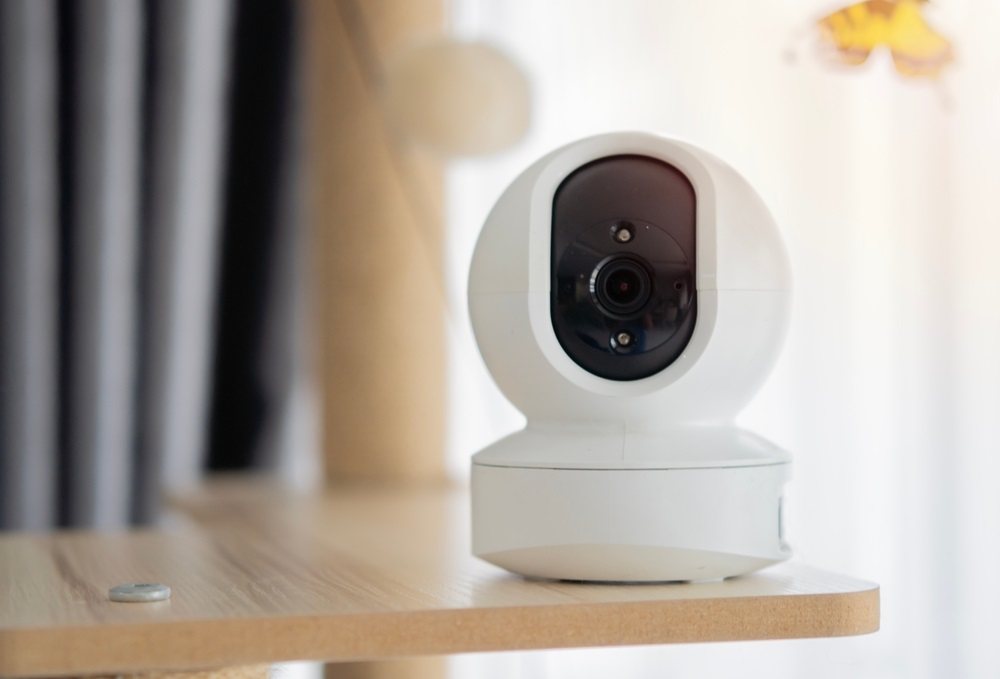
IP wireless CCTV camera indoor device control

Advantages of Wired Security Systems

While wireless systems have their advantages, wired security systems also provide unique benefits:
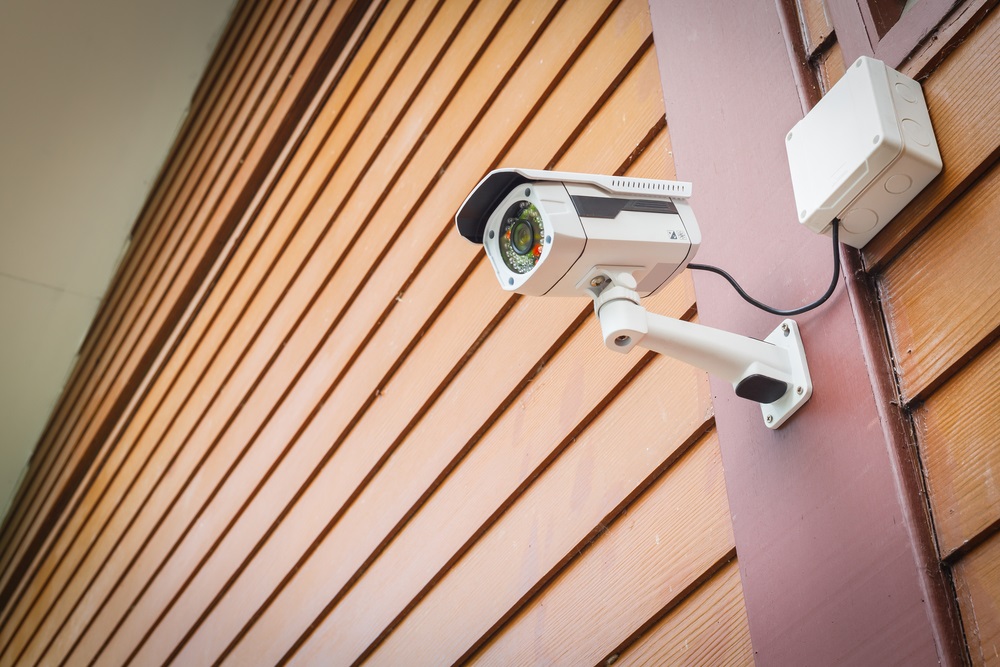
cctv camera security on wall

Considerations for Choosing Between Wireless and Wired Systems

When determining which security system is best for your needs, there are several factors to consider. Here’s a deeper look into each consideration to help you make an informed decision:

  • Small to Medium Properties: Wireless systems may be more convenient due to ease of setup. For homeowners or small business owners, the flexibility to add or move devices as needed can be particularly beneficial.
  • Larger Properties: For commercial properties or larger homes, a wired system may offer advantages in maintaining consistency and reliability across expansive areas. Wired systems can provide uninterrupted coverage, ensuring that every corner of the property is monitored without gaps.
  • Initial Investment: While wireless systems can have a lower initial cost, it’s essential to account for any additional expenses related to future expansions and battery replacements. Assessing your long-term financial commitments is crucial.
  • Long-Term Costs: Consider the maintenance costs over the system’s lifespan. Wired systems may involve higher upfront costs, but they often require less frequent troubleshooting and maintenance.
  • Anticipated Changes: Reflect on future plans for your property. If you foresee changes or expansions (such as moving or remodeling), opting for a wireless system might save you from incurring costs associated with potential rewiring.
  • Security Needs: If you are investing in a long-term solution for a property with significant security risks, a wired system may provide a more robust, reliable setup that adheres to any heightened security requirements.
  • Pre-Existing Wiring: If you already have wiring in place, upgrading your wired system could be more cost-effective than starting over with a wireless system. Evaluate the existing infrastructure, as it may influence your decision significantly.
  • Compatibility with Other Systems: Consider whether your current alarm, camera, or smart home systems are wired or wireless. Choosing a system that seamlessly integrates with existing infrastructure can improve functionality and reduce costs.
  • Homeowners/Small Business Owners: If you prefer a user-friendly setup that allows you to manage the system on your own, wireless systems come with those options. Many have intuitive mobile apps that simplify remote monitoring.
  • Larger Organizations/IT Departments: If you require a more sophisticated setup, wired systems may offer the ability to customize security features extensively. Familiarity with IT infrastructure can make working with wired systems easier.
  • Interference and Signal Strength: Consider the physical characteristics of your property. For instance, large walls, metal structures, or other barriers can obstruct wireless signals, affecting performance. Ensure that the wireless system will maintain a strong signal throughout your property.
  • Power Outages: Evaluate how each system responds to power outages. Wired systems often have backup options, ensuring that your security remains intact even during an outage. Wireless systems usually depend on battery-powered devices and may require more frequent monitoring to ensure batteries are functioning.

Conclusion

In conclusion, choosing between wireless and wired security systems depends on various factors, including your property's layout, your budget, and your long-term security objectives. Both types of systems offer distinct advantages and potential drawbacks; understanding these can empower you to make an informed choice that best suits your needs.

At Security Alarms Co., we are committed to helping you find the perfect security solution for your home or business. Whether you choose a wireless or wired system, our experts are ready to guide you through the process, ensuring your property remains safe and secure. Reach out to us today for a consultation!