
In the dynamic world of security technology, alerts have transformed significantly over the years. Gone are the days when a loud audio alarm was considered the norm for protecting homes and businesses. Today’s advancements in technology have led to the evolution of security alerts, transitioning from traditional audio alarms to sophisticated real-time notifications. Understanding this transition is essential for homeowners and business owners eager to stay protected in our increasingly connected world.
Traditional audio alarms served as the first line of defense against intruders. These systems often consisted of:
While these alarms had a clear purpose, they came with a set of limitations:

Historically, these audio alarms were the gold standard in security, but they couldn’t adapt to the changing needs and technologies of property protection.
As technology progressed, the landscape of home and business security began to change. Connectivity became a key driver in this evolution, marked by innovations such as:
This shift toward connectivity not only improved user interactions with security systems but also redefined how alerts worked and were perceived. Homeowners and business owners began to realize the power of having detailed, up-to-the-minute information concerning their property’s safety.

This move towards more nuanced alerting has made for a more civilized and informed approach to security.
Real-time monitoring represents one of the most pivotal advancements in security technology:
This capability to act quickly is particularly valuable in emergencies, as it allows users to alert authorities or respond to situations without delay.
With the evolution of security alerts comes the opportunity for customization:
This level of personalization is essential, as it empowers users to maintain control over what matters most to them.
Transitioning to real-time notifications offers numerous benefits:
While real-time notifications offer numerous advantages, they aren’t without their challenges:
By considering these challenges, property owners can make informed decisions about their security needs while embracing modern technology.
As technology and consumer needs evolve, the future of security alerts looks promising. Here are some predictions:
These trends promise to enhance both the effectiveness and convenience of residential and commercial security systems.
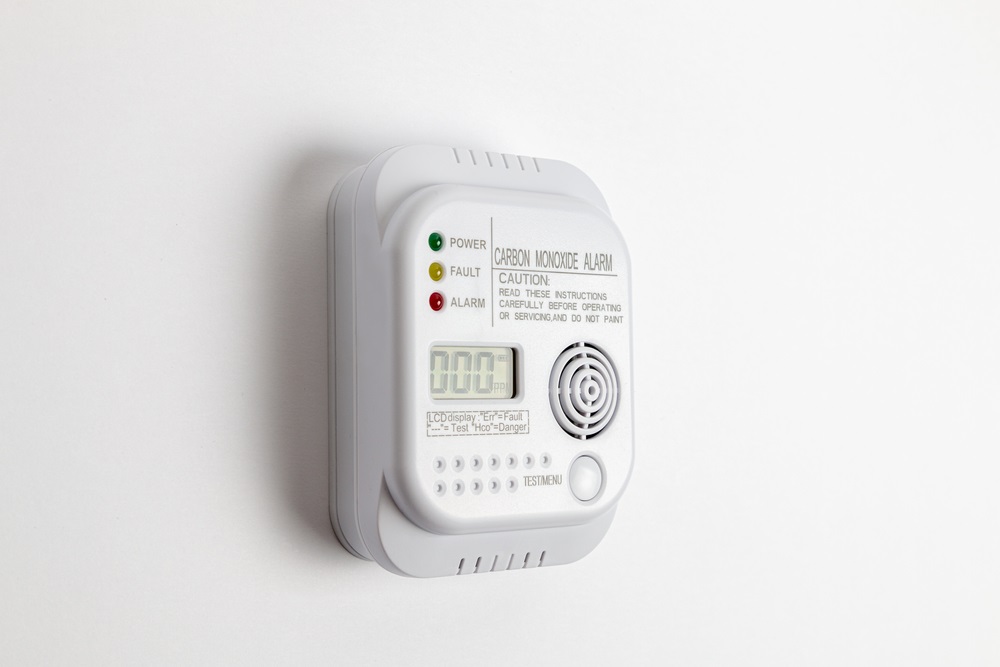
The evolution of security alerts from audio alarms to real-time notifications signifies a remarkable advancement in how we protect our homes and businesses. As technology continues to evolve, property owners must stay informed and embrace new solutions that enhance safety, convenience, and connectivity.
Investing in an upgraded security system with real-time notifications can provide peace of mind, letting homeowners and business owners focus on what truly matters to them. Whether protecting loved ones or valuable assets, the future is bright for security solutions that prioritize immediate awareness and adaptable responses.
Embrace this new era of security alerts to ensure that your property is not just protected but empowered by technology!
We are a local, private owned company that has been in business for over forty years. We started out in 1973 in Hulbert, Oklahoma and moved to Muskogee, Oklahoma in 1987.
OK Lic. #021 AR Lic. #E0175