The Importance of Regular Security Audits: Why Your Home or Business Needs One

In an era where security breaches and criminal activities are increasingly commonplace, ensuring the safety of your home or business has never been more crucial. One often-overlooked yet vital aspect of robust security is the regular security audit. Whether you are a homeowner wanting to protect your family or a business owner safeguarding your enterprise, understanding the role of security audits can foster peace of mind and safeguard your assets. In this post, we’ll explore what security audits entail and why they are essential for your safety.

Understanding Security Audits

What is a Security Audit?

A security audit is a systematic evaluation of your property’s security measures, both physical and digital. The purpose of a security audit is to assess current protocols and identify vulnerabilities that might expose your premises to risks. This comprehensive examination often involves:
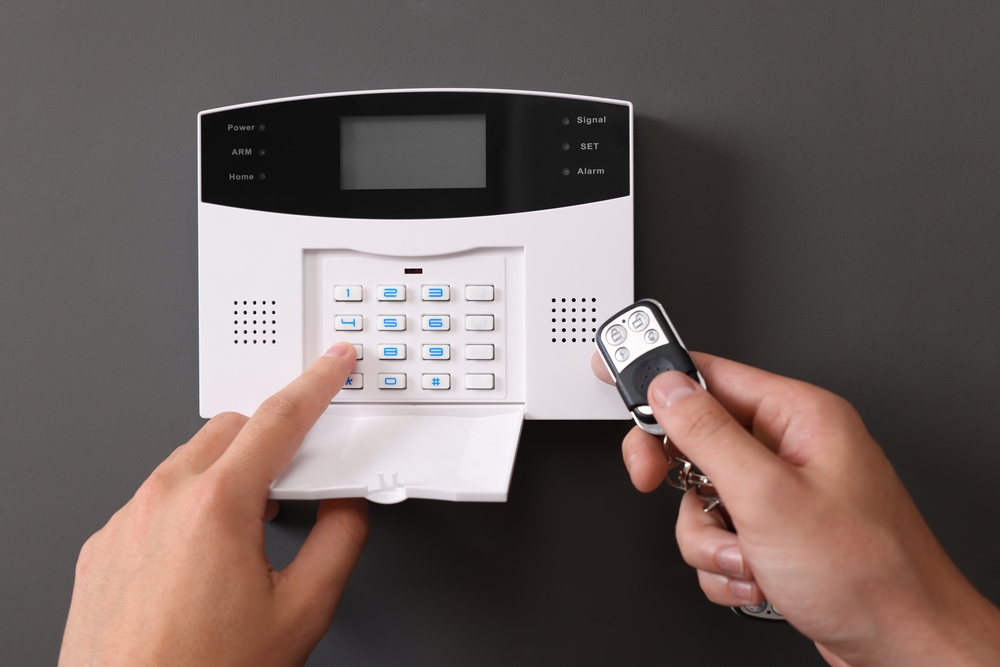
    • Assessing Physical Security: Evaluating locks, alarms, surveillance systems, and access points.
    • Reviewing Cybersecurity Measures: Looking at firewalls, anti-virus software, and data protection protocols.
    • Compliance Checks: Ensuring adherence to local regulations and industry-specific standards.
Man checking home security alarm system with key fob

Types of Security Audits

There are various types of security audits that you can consider:

    • Physical Security Audits: Focus on securing facilities through locks, alarm systems, security personnel, and surveillance cameras.
    • Cybersecurity Audits: Concentrate on protecting digital assets like computers and networks from cyber threats, assessing software security and data encryption.
    • Compliance Audits: Check adherence to legal and regulatory obligations, especially in industries like healthcare and finance.

Each type of audit has specific goals and outcomes, but all work towards enhancing the overall security posture of your property.

Identifying Vulnerabilities

The Importance of Regular Assessments

Conducting regular security audits is essential for both homeowners and business owners. Here are several reasons why regular assessments are so important:

    • Identifying Weaknesses: Regular audits help uncover vulnerabilities that may have developed over time due to wear and tear or changing safety needs.
    • Proactive Measures: Discovering weaknesses early can prevent potential threats before they arise, significantly reducing the risk of incidents.

Common Vulnerabilities Found

During a security audit, various vulnerabilities may be identified, including:

    • Weak Locks and Outdated Systems: Old locks, alarm systems, and outdated surveillance equipment can leave your property at risk.
    • Improper Data Protection: Inadequate cybersecurity practices, such as weak passwords or lack of encryption, can expose sensitive information to hackers.
    • Non-Compliance with Safety Regulations: Failing to adhere to local laws can lead to fines or even liability in the event of an incident.

Case Study Examples

Enhancing Overall Security

Updating Security Measures

Regular security audits provide an excellent opportunity to update and improve your security measures. Here’s how:

    • Incorporate New Technologies: Security technology is continually evolving. Audits can help you integrate advanced features such as smart locks, biometric systems, and enhanced surveillance camera options.
    • Adapt to Changing Environments: Consider changes within your organization or home. Expanding to new areas, hiring new personnel, or even adjusting to remote work may all necessitate different security measures.

The Role of Technology

With advancements in technology, security audits can help leverage cutting-edge tools to enhance safety. The rise of smart home technology and IoT devices allows for:

    • Integrated Security Systems: Connecting various security devices—locks, cameras, and alarms—allows for comprehensive monitoring and control via smartphone apps.
    • Real-time Monitoring: Many security systems now offer real-time alerts and access to video feeds, enabling immediate responses to threats.

Legal and Compliance Considerations

For business owners, understanding the legal and compliance landscape is crucial. Many industries have specific legal obligations concerning security measures. These can include:

    • Data Protection Laws: Organizations handling personal information must adhere to regulations such as GDPR or HIPAA.
    • Occupational Safety Requirements: Depending on the industry, businesses may be required to maintain specific safety standards to protect employees and customers.

Ignoring these requirements can lead to severe consequences:

    • Financial Penalties: Non-compliance can result in fines that can quickly accumulate into significant sums.
    • Reputational Damage: Failing to protect sensitive data or maintain safety standards can erode customer trust and negatively impact your brand.

Conducting regular security audits can help maintain compliance and certifications, which are beneficial for businesses. The advantages include:
    • Building Trust: Compliance demonstrates a commitment to customer safety, fostering confidence in your brand.
    • Enhanced Business Continuity: Compliant businesses are better positioned to adapt to changes in regulations and industry standards.
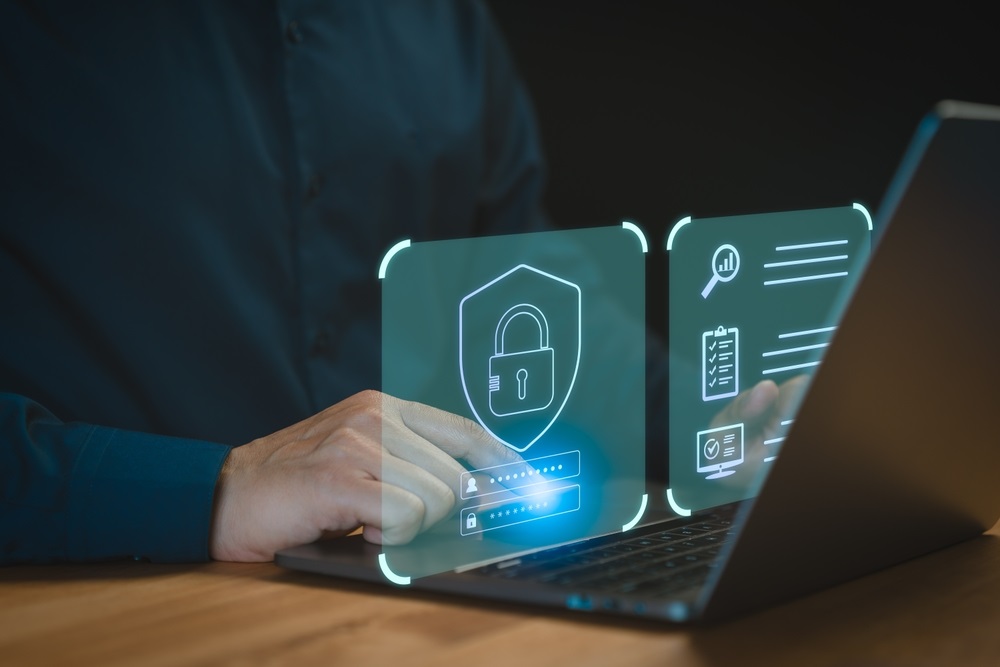
Cyber security system concept

Implementing Regular Security Audits

Creating an Audit Schedule

Establishing a regular schedule for security audits is essential for maintaining an effective security posture:

    • Frequency of Audits: Depending on your needs, consider conducting security audits annually, bi-annually, or quarterly.
    • Seasonal Reviews: Evaluate your security measures during times of increased risk, such as holidays when theft tends to rise.

Involving Professionals

While some components of a security audit can be performed in-house, engaging external security experts can provide an unbiased perspective and specialized knowledge. Benefits include:

    • Expertise: Professionals have the expertise to identify vulnerabilities that internal teams may overlook.
    • Objective Assessments: External auditors can provide impartial evaluations, ensuring a non-biased review of your security systems.

Engaging Employees

Security is a collective effort, and involving employees can enhance the effectiveness of security audits:

    • Training Sessions: Regular training on security protocols can ensure that employees understand the importance of security audits and their role in maintaining safety.
    • Feedback Mechanism: Encourage employees to report any safety concerns or breaches they notice—this insight can be invaluable during audits.

Conclusion

In a world where threats to safety and privacy continue to evolve, the importance of regular security audits cannot be overstated. For homeowners and business owners alike, these audits serve as a critical tool for identifying vulnerabilities, enhancing overall security, and ensuring compliance with regulatory standards. By prioritizing security audits, you not only safeguard your property but also foster a culture of safety and awareness.

Investing time and resources into regular security audits will yield dividends in peace of mind and protection. Don’t wait until it’s too late—ensure your security measures evolve with the times and continue to provide the safety your home or business deserves.