As a business owner, protecting your assets is paramount. In commercial real estate, having a robust security system is not just a luxury; it’s a necessity. It’s the guardian of your investments and the peacekeeper that ensures safety for everyone involved. Let’s delve into how security systems play a pivotal role in commercial real estate.
The journey of security systems in commercial real estate has been nothing short of transformative. Gone are the days when locks and keys were the pinnacle of security. Today, we have sophisticated systems that employ cutting-edge technology to provide comprehensive protection.
Historically, security measures focused primarily on physical barriers like gates and locks. However, as threats evolved, so did the need for more advanced solutions. The introduction of electronic surveillance and access control systems marked a significant leap forward. Now, we are in an era where artificial intelligence (AI) and cloud computing are integral components of security systems, providing unprecedented levels of protection and insight.
The evolution of security technology has also paved the way for integrated systems that combine various security measures into a single, cohesive unit. This integration allows for real-time monitoring and response, making it easier for business owners to manage their security needs effectively.
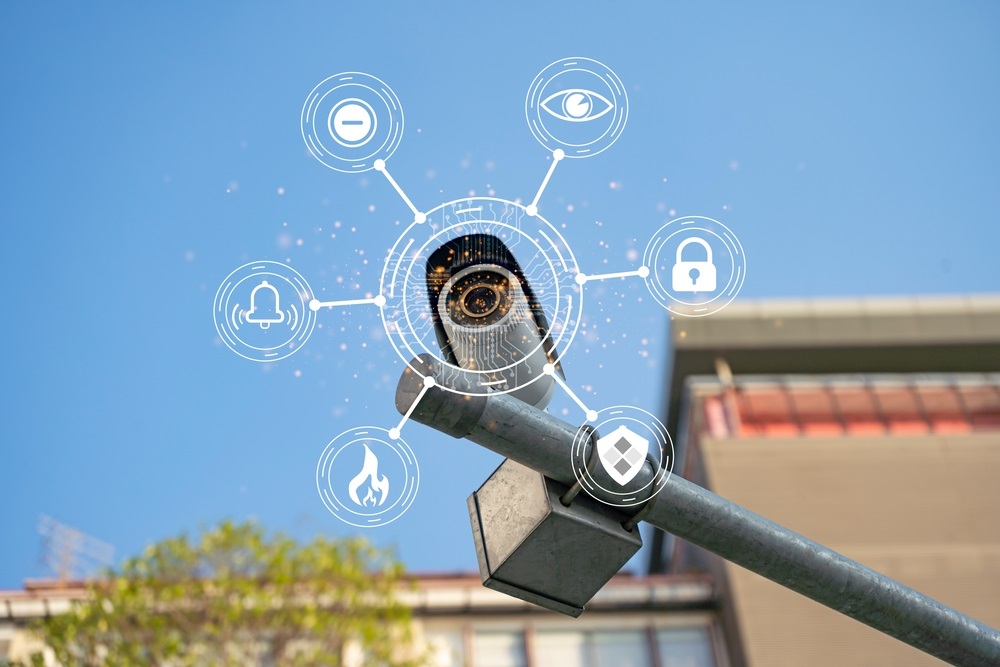
Security systems are the cornerstone of safety in commercial properties. They serve multiple purposes, each crucial to the wellbeing of the business and its occupants.
Firstly, these systems protect both physical assets and sensitive information. In a world where data breaches are increasingly common, having a security system that can safeguard digital assets is vital. Moreover, by enhancing tenant and employee safety, security systems create an environment where individuals feel secure and valued.
Secondly, well-implemented security systems can significantly reduce liability and insurance costs. Insurance companies often offer lower premiums for properties with comprehensive security measures, recognizing the reduced risk of theft and vandalism. This not only saves money in the short term but also contributes to long-term financial stability for the business.
Modern security systems are complex, comprising various components that work together to provide seamless protection. Here are some of the key components:
These are the eyes of the security system, capturing real-time footage of the premises. High-definition cameras with night vision capabilities can monitor areas after hours, ensuring no activity goes unnoticed. Strategic placement is crucial to ensure maximum coverage and effectiveness. Recent advancements have also led to the development of smart cameras equipped with AI, capable of recognizing faces and detecting suspicious behavior.
These systems regulate who can enter the premises and when. Key fobs, biometric readers, and smart cards are common tools that provide secure access while keeping unauthorized individuals out. Additionally, mobile access control systems allow employees and tenants to use their smartphones for entry, enhancing convenience and security.
Alarms are critical for alerting authorities and occupants in case of a breach. Modern alarm systems feature advanced options such as motion detectors, glass-break sensors, and silent alarms, which notify security personnel without alerting intruders. Integration with monitoring services ensures rapid response from law enforcement or security teams.
The Internet of Things (IoT) has revolutionized security systems, allowing for integration with smart devices. This connectivity enables remote monitoring and control, enhancing the system’s responsiveness. For example, smart locks can be controlled remotely via mobile apps, allowing business owners to grant access to employees or vendors even when they’re not on-site.
The security industry is at the forefront of technological innovation. AI and machine learning have made significant inroads, providing intelligent analytics that can detect unusual patterns and potential threats before they escalate. This proactive approach to security is essential for minimizing risks and responding swiftly to incidents.
Cloud computing has transformed how security data is managed. Instead of relying on onsite servers, data can be stored and accessed securely in the cloud, allowing for real-time monitoring and analysis. This capability is particularly beneficial for business owners who need to manage multiple properties from a central location, as it offers a comprehensive view of security status across all sites.
Additionally, mobile-enabled security solutions offer unprecedented convenience. Business owners can now monitor their properties from anywhere in the world using mobile apps, receiving instant alerts and updates. This level of accessibility ensures that security is never compromised, even when business owners are away from their premises.
Despite the numerous benefits, implementing security systems in commercial real estate comes with its own set of challenges.
One of the most significant challenges is balancing security and privacy. Business owners must ensure that their systems are effective without infringing on the privacy rights of tenants and employees. This requires careful planning and consultation with legal experts to navigate the complexities of privacy laws.
The cost of advanced security systems can also be a barrier for some businesses. While the initial investment can be significant, the long-term benefits often outweigh the costs. It’s important for business owners to consider their specific needs and budget constraints when selecting a security system. Many security providers offer scalable solutions, allowing businesses to start with essential features and expand as their needs grow.
Regulatory requirements and compliance are other factors to consider. Security systems must adhere to local laws and regulations, which can vary significantly from one jurisdiction to another. Staying informed about these regulations is essential to avoid legal pitfalls. Additionally, businesses must ensure that their security systems comply with industry-specific standards, such as those in healthcare or finance, which may have stricter requirements.
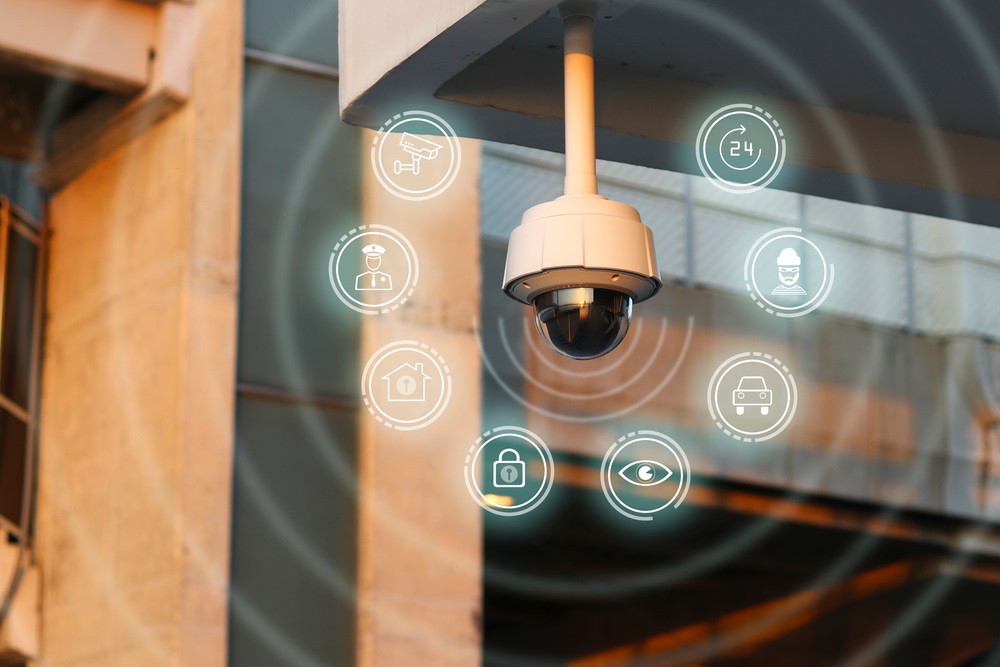
The future of security systems in commercial real estate is bright, with several exciting trends on the horizon.
The rollout of 5G technology promises to enhance the capabilities of security systems. With faster and more reliable connectivity, systems will be able to process and respond to data more quickly, improving their overall effectiveness. This technology will enable features such as real-time video streaming from surveillance cameras and instantaneous alerts for security breaches.
As more security systems become interconnected, cybersecurity is becoming increasingly vital. Business owners must prioritize protecting their systems from cyber threats to ensure physical security is not compromised. Implementing strong encryption, regular software updates, and employee training on cybersecurity best practices will be essential.
The continued integration of AI and machine learning will allow security systems to become more intelligent and adaptive. These technologies can analyze vast amounts of data, identify patterns, and make real-time decisions to enhance security measures. For instance, AI can predict potential security breaches based on historical data and alert security personnel proactively.
In conclusion, security systems are an indispensable part of commercial real estate. They protect assets, enhance safety, and add value to properties. By investing in modern security solutions, business owners can ensure their properties are well-guarded against today’s threats and prepared for tomorrow’s challenges.
As the landscape of commercial real estate continues to evolve, so too must the security measures that protect it. Embracing innovative technologies and staying abreast of industry trends will empower business owners to create safer environments for their tenants and employees. With the right security system in place, you can focus on growing your business, knowing that your assets are secure.
We are a local, private owned company that has been in business for over forty years. We started out in 1973 in Hulbert, Oklahoma and moved to Muskogee, Oklahoma in 1987.
OK Lic. #021 AR Lic. #E0175