In today’s world, the safety and security of our homes have become paramount. As concerns about crime and property damage grow, homeowners are increasingly turning to alarm systems to protect their families and belongings. With a variety of options available, the decision often comes down to two primary choices: professional monitoring or DIY security alarms. Each has its own set of advantages and disadvantages, and understanding these can help you make an informed decision. In this post, we’ll explore the benefits of both professional monitoring and DIY security alarms, equipping you with the knowledge to choose the best option for your home.
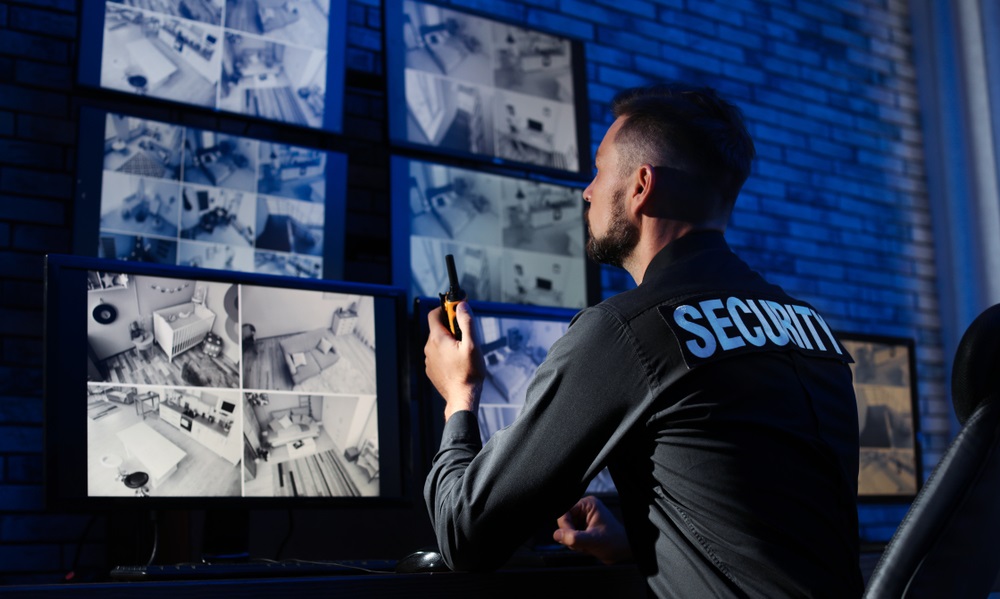
Professional monitoring refers to an alarm system that is monitored 24/7 by a team of trained professionals. When an alarm is triggered, the monitoring center receives an immediate alert and can take appropriate action, such as notifying the authorities. Here’s what you can typically expect from professional monitoring services:
There are several types of professional monitoring options available:
Many reputable security companies offer professional monitoring services, including:
These providers typically bring years of expertise and a solid reputation for customer service.
DIY security alarms empower homeowners to take control of their security systems. These systems are designed for straightforward installation, giving you the freedom to set them up according to your specific needs. DIY security alarm systems generally provide:
Some of the popular DIY security brands and systems include:
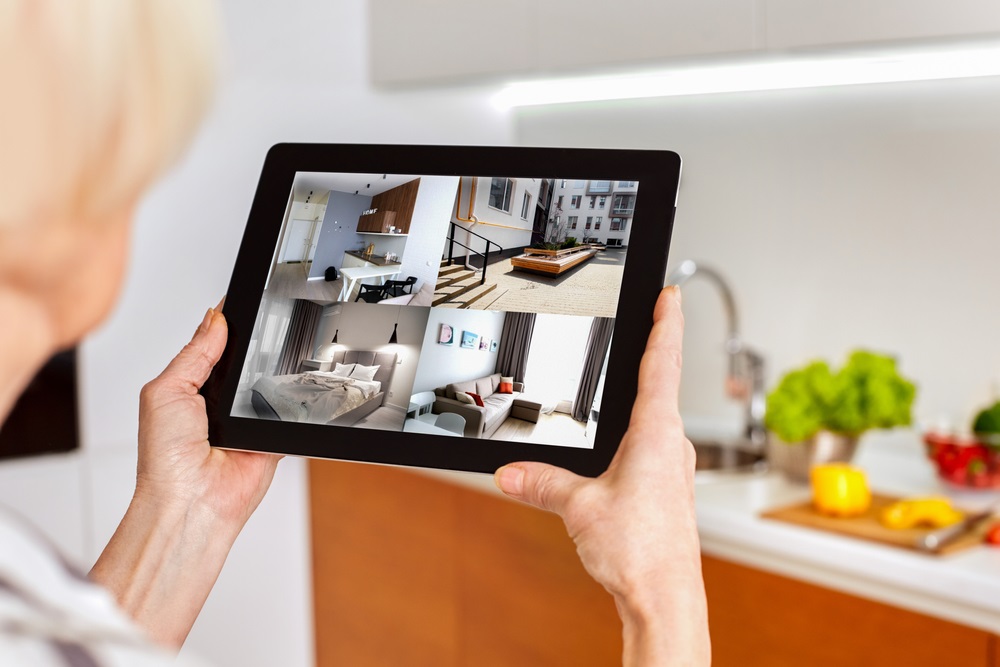
These systems offer various features, including video surveillance, motion detection, and mobile alerts.
One of the primary benefits of professional monitoring is the assurance of constant vigilance. Knowing that trained professionals are monitoring your home at all hours provides peace of mind and enhances your overall security.
A professional monitoring service offers psychological comfort that DIY systems simply cannot match.
Professional monitoring services can often integrate seamlessly with other security features:
Most professional monitoring services offer robust technical support:
One of the most attractive aspects of DIY security alarms is their potential for saving money.
When it comes to DIY security systems, customization is key.
DIY security systems are designed for usability:
If you move or decide to change up your setup, DIY systems offer flexibility.
While professional monitoring has many benefits, it's important to consider some potential drawbacks.
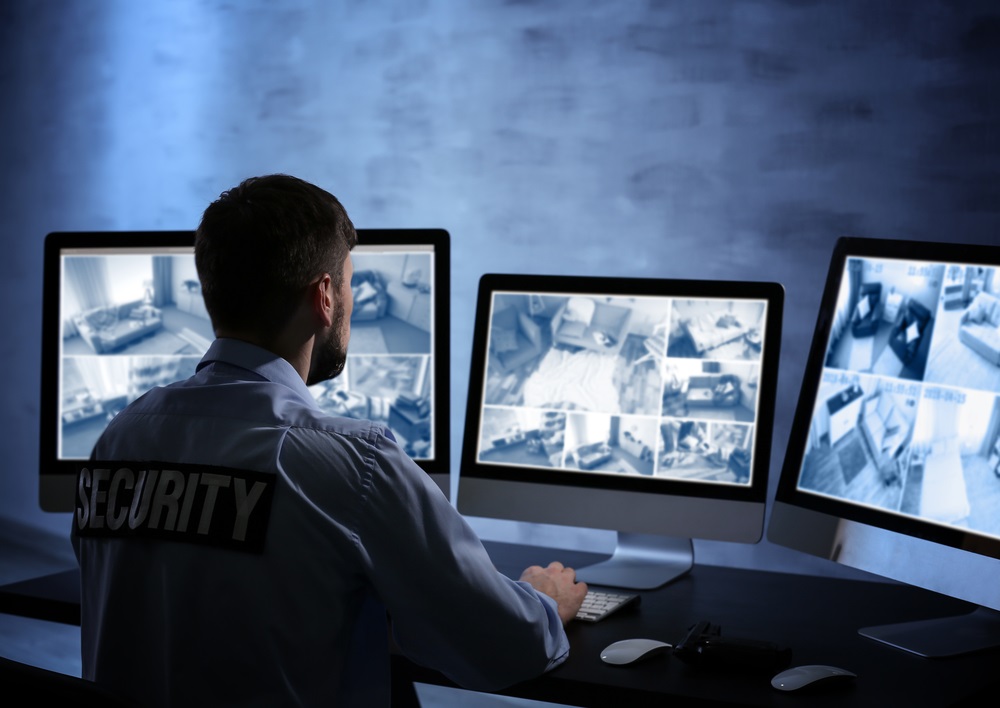
While DIY systems offer numerous benefits, they also come with a few challenges.
Selecting the right security system for your home is crucial in today’s world. Professional monitoring offers a sense of security and expertise that many homeowners appreciate, while DIY systems provide flexibility and potential cost savings. Ultimately, the choice between professional monitoring and DIY security alarms will depend on your specific needs, preferences, and budget.
Consider evaluating your priorities, whether you value peace of mind from professional supervision or the cost-effectiveness and control that DIY systems offer. By weighing the pros and cons of each option, you can make an informed decision that best secures your home and provides you with the peace of mind you deserve.
If you’re unsure where to start, feel free to consult with Security Alarms Co. for tailored solutions that address your specific security needs. Your home’s safety is worth the investment!
We are a local, private owned company that has been in business for over forty years. We started out in 1973 in Hulbert, Oklahoma and moved to Muskogee, Oklahoma in 1987.
OK Lic. #021 AR Lic. #E0175