
The Growing Market for Security Alarms in Small Businesses

I. Introduction

In today’s world, the importance of security systems for homes and businesses cannot be overstated. These systems play a critical role in safeguarding your assets, employees, and loved ones from various threats, including theft, burglary, and vandalism. However, the effectiveness of these security measures hinges significantly on the expertise of those who install and maintain them.

Training is not merely a checklist item for security system professionals; it is the backbone of successful installations and ongoing maintenance. In this blog post, we will explore the essential role of training in ensuring that security systems function optimally, the complexities involved in modern installations, and how proper training can enhance performance and reliability.

II. The Growing Complexity of Security Systems

Modern security systems have evolved dramatically over the years, leading to increased complexity and functionality.

Overview of Modern Security Technologies:

  • Smart Alarms: These systems connect to your smartphone, providing real-time alerts and remote control capabilities.
  • Surveillance Cameras: High-definition, feature-rich cameras with night vision, motion detection, and cloud storage options.
  • Access Control Systems: Advanced locks that allow you to control access points via keycards, biometrics, or mobile devices.

Increased Integration with IoT and Smart Home Devices:

  • The rise of the Internet of Things (IoT) has led to more comprehensive systems that can connect with smart home devices, such as lights and thermostats, enhancing security visibility and control.
IP wifi wireless security camera supports Internet installation technology

Consequences of Improper Installation and Maintenance:

  • Security Vulnerabilities: An inadequately installed security system can leave blind spots or places where intruders can easily bypass defenses.
  • Financial Implications: Frequent malfunctions due to poor installation can lead to repairs, loss of security, and damages from theft or vandalism.

Given the advanced nature of today’s systems, the need for adequately trained professionals in the installation and maintenance of security systems has never been greater.

III. Key Aspects of Training for Security System Professionals

To ensure flawless installation and upkeep of security systems, professionals must possess a diverse set of skills and knowledge. Here are some key aspects of their training:

Technical Skills and Knowledge:

  • Understanding System Components and Functionalities: Professionals should be well-versed in the intricacies of various security systems, ensuring that each component is right for the user’s needs.
  • Wiring and Installation Techniques: Proper training equips technicians with the skills needed to effectively wire systems, ensuring they function optimally.

Software Proficiency:

  • Familiarity with Monitoring Software: Security systems often include sophisticated software for monitoring and alerts, requiring professionals to operate and troubleshoot effectively.
  • Knowledge of Troubleshooting Protocols: Being able to quickly diagnose and fix issues prevents extended downtime and maximizes system efficiency.

Customer Communication Skills:

  • Explanation of Systems to Clients: Technicians should be able to explain how the systems work, enhancing customer comfort and understanding.
  • Addressing Client Concerns and Questions: Effective communication fosters trust and provides clients with the guidance they need during and after installation.

Growth of Insurance Incentives:

  • Importance of Staying Updated with Industry Standards: As technology advances, continuous education is critical for professionals to remain abreast of new developments.
  • Value of Certifications from Recognized Organizations: Certifications lend credibility and provide clients with confidence in a technician’s expertise.

IV. Benefits of Proper Training in Security System Installation

Investing in training for security system professionals yields numerous benefits for both the businesses they represent and the clients they serve:

  • Enhanced Functionality and Reliability: Properly trained employees install systems correctly the first time, improving reliability and performance.
  • Reduced Failure Rates and Maintenance Issues: Professionals know how to troubleshoot problems before they escalate, contributing to long-term system health.
  • Quality Installations Lead to Positive Customer Experiences: Satisfied customers are more likely to refer others and return for additional services.
  • Better Client Relationships and Referrals: A reputation for high-quality, efficient installations fosters trust, leading to repeat business.
  • Trained Professionals Minimize the Risk of Accidents: Well-trained technicians are less likely to make mistakes that could result in safety issues or property damage.
  • Compliance with Industry Regulations: Understanding and adhering to regulatory requirements protects the company and its clients from potential legal liabilities.
A technician installs a CCTV camera on the facade of a residential building

V. Case Studies: Success Stories Highlighting the Importance of Training

Real-life examples illustrate the profound impact that training can have on security system installation and maintenance:

VI. Future Trends in Security System Training

Looking forward, several trends will shape how training evolves in the security industry:
Growing Demand for Virtual Training and E-Learning:

  • Online training programs provide flexible schedules and a broader reach, allowing professionals to learn at their own pace.

Technological Advancements Shaping Training Methods:

  • The use of augmented reality (AR) and virtual reality (VR) for hands-on practice will enhance the learning experience for technicians, allowing them to simulate installations and troubleshoot effectively.

Importance of Adaptability in the Evolving Security Landscape:

  • As technology continues to innovate, trainings must adapt quickly to incorporate new tools and best practices.
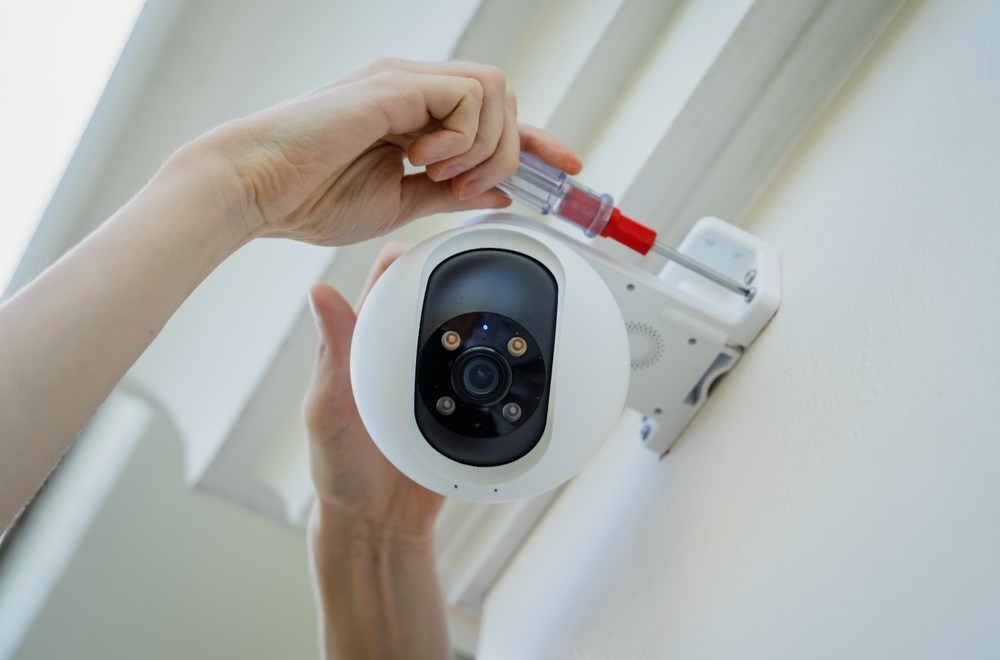
A technician installs a CCTV camera

VI. Conclusion

The importance of training in security system installation and maintenance cannot be overstated. A well-trained workforce is essential for providing clients with effective and reliable security solutions.

By investing in comprehensive training programs, companies can improve system performance, enhance customer satisfaction, and reduce liability risks, ultimately ensuring that properties are protected against ever-evolving threats.

For homeowners and business owners alike, partnering with trained professionals ensures that your security system is installed and maintained correctly. With the right expertise in place, you can have peace of mind knowing that your property is in capable hands. It's time to prioritize training within the security industry and foster a future where safety is robust, effective, and reliable.