
In an age where technology is advancing at a rapid pace, the concept of a smart home is becoming increasingly popular among homeowners. Integrating smart technology with security systems offers a promising glimpse into the future of home safety. Let’s explore how smart home integration is transforming security systems and what this means for the future of home security.
Smart home technology has come a long way since its inception. Initially, it was all about convenience—think remote controls and programmable thermostats. However, as technology evolved, so did the possibilities for enhancing home security.
Over the years, key milestones have shaped the integration of smart technology with security systems. The introduction of Wi-Fi-enabled devices marked a significant turning point, allowing homeowners to connect their security systems to the internet and control them remotely. The development of mobile apps that enable real-time monitoring and control further transformed the landscape, making it easier for homeowners to stay connected to their homes.
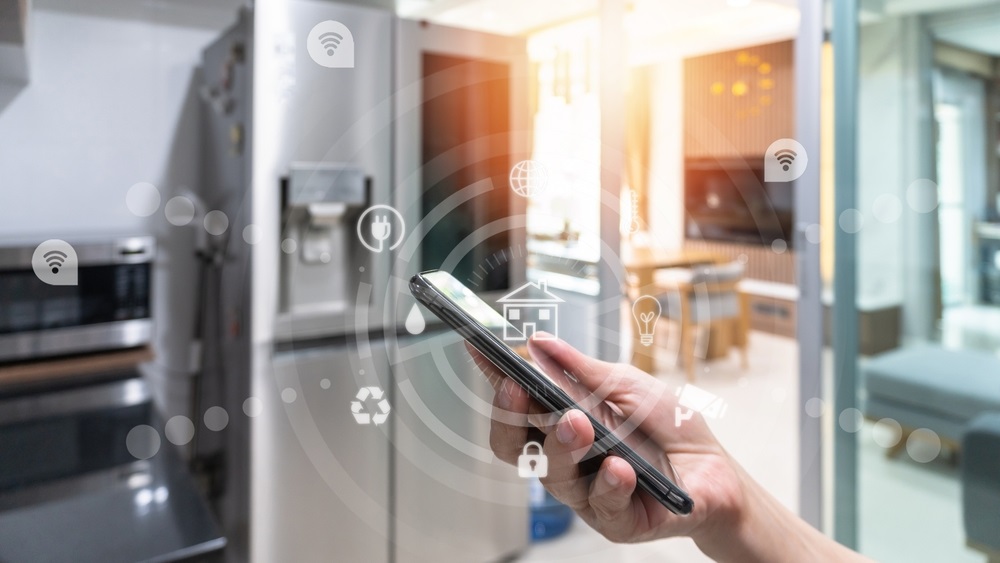
Another pivotal moment was the rise of voice assistants, such as Amazon Alexa and Google Assistant. These devices allow homeowners to control their smart home security systems with simple voice commands, creating a more user-friendly experience. The integration of smart speakers with security systems has made it possible for homeowners to check the status of their security system or even lock their doors without lifting a finger.
Today, smart home integration with security systems is a reality, offering features that enhance home safety and provide peace of mind. Many homeowners are already familiar with smart locks, which allow them to control access to their homes remotely. With smart locks, you can unlock your door for a guest or service provider from your office across town. This feature not only adds convenience but also enhances security, as you can grant access temporarily without the need for physical keys.
Smart cameras are another popular feature, providing real-time video surveillance that can be accessed from your smartphone. These cameras often come with motion detection and night vision capabilities, ensuring that your home is monitored 24/7. Imagine receiving an alert on your phone when someone approaches your front door, allowing you to see who it is before opening up.
Additionally, smart sensors are used to detect motion, smoke, or carbon monoxide, triggering alerts to your devices and ensuring timely responses to potential threats. Many smart home security systems also offer environmental sensors that monitor temperature and humidity levels, helping to prevent issues such as water damage or mold growth.
These technologies work together to create a comprehensive security system that is both effective and user-friendly, providing homeowners with the tools they need to secure their properties.
The integration of smart home technology with security systems offers numerous benefits that go beyond traditional security measures. One of the most significant advantages is enhanced security through automation and real-time monitoring. With smart home integration, you can receive instant alerts on your smartphone when unusual activity is detected, allowing for immediate action. This proactive approach can help prevent break-ins and deter potential intruders.
Another benefit is the increased convenience and control it offers homeowners. Imagine adjusting your security settings from the comfort of your bed or while on vacation. Smart systems provide flexibility and control like never before. For instance, you can set your security system to automatically arm itself at night or when you leave for work, ensuring peace of mind throughout the day.
Moreover, smart home integration can lead to energy efficiency and cost savings. Integrated systems can optimize energy usage, such as adjusting lighting or heating based on occupancy, which reduces utility bills and minimizes environmental impact. For example, smart lighting systems can be programmed to turn off automatically when no one is home, preventing unnecessary energy consumption.
The convenience, control, and efficiency offered by smart home integration make it an attractive option for homeowners looking to enhance their security systems.
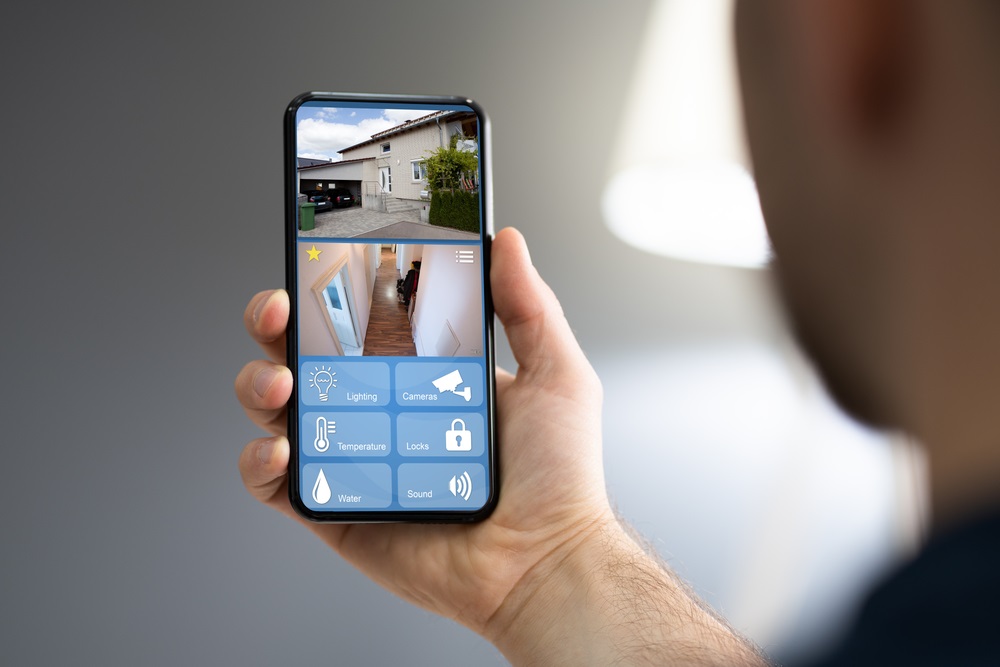
The future of smart home integration in security systems is bright, with several emerging technologies poised to revolutionize the industry. One such innovation is the use of artificial intelligence (AI) and machine learning. These technologies can analyze data from security devices to detect patterns and predict potential threats, providing a proactive approach to home security. For example, AI can learn the usual patterns of movement in your home and alert you if it detects unusual activity, such as someone lingering near your front door for an extended period.
The Internet of Things (IoT) is another key player in the future of smart home security. IoT enables devices to communicate with each other, creating a seamless security environment. Imagine your smart doorbell communicating with your security camera to capture footage of visitors automatically. This interconnectedness enhances the overall effectiveness of your security system. Additionally, IoT devices can share data with one another, allowing for more comprehensive insights into your home’s security status.
Blockchain technology also holds potential for securing smart home data. By creating a decentralized and tamper-proof record of security events, blockchain can enhance data security and ensure that your information remains private and secure. This technology could provide homeowners with greater control over their data, allowing them to decide who can access it and under what circumstances.
These innovations will continue to shape the future of smart home integration, making it more intelligent and adaptive.
Despite the promising future of smart home integration, there are challenges and considerations that homeowners must keep in mind. Privacy concerns are at the forefront, as smart devices collect and store vast amounts of data. Ensuring that your data is secure and used responsibly is crucial. Homeowners should carefully read privacy policies and understand how their data is being utilized by the manufacturers of their devices.
Another challenge is the complexity of integrating diverse technologies from multiple vendors. Compatibility issues can arise, making it essential for homeowners to choose systems that work well together or opt for a comprehensive solution from a single provider. This can simplify the setup process and reduce the likelihood of technical issues down the road.
Finally, potential security vulnerabilities exist in interconnected systems. As smart homes become more connected, the risk of cyberattacks increases. Homeowners must take measures to secure their networks and devices, such as using strong passwords, enabling two-factor authentication, and regularly updating software. Educating oneself about basic cybersecurity practices can go a long way in protecting your home.
By addressing these challenges, homeowners can enjoy the benefits of smart home integration while minimizing risks.
Looking ahead, several trends will shape the future of smart home integration in security systems. The rollout of 5G technology is expected to have a significant impact, providing faster and more reliable connectivity. This will enable real-time video streaming and instantaneous alerts, further enhancing security capabilities. With 5G, homeowners can expect higher-quality video feeds and smoother operation of their security devices.
User interfaces will also evolve, becoming more intuitive and user-friendly. Homeowners will have greater control over their systems, with customizable options tailored to their specific needs. Voice commands will likely become even more sophisticated, allowing for more complex interactions with your security system.
Additionally, potential regulatory changes may influence the development of smart home security systems. As governments recognize the importance of data privacy and security, new regulations may be introduced to protect homeowners. Staying informed about these changes will be essential for homeowners looking to implement the latest technologies.
In conclusion, the future of smart home integration in security systems is promising. As technology continues to advance, homeowners will have access to more sophisticated and effective security solutions. By embracing these innovations and addressing potential challenges, you can create a safer and more secure home environment for you and your family.
The integration of smart home technology with security systems is more than just a trend; it’s a fundamental shift in how we think about home safety. As we look to the future, it’s clear that smart home integration will play a crucial role in redefining security for homeowners everywhere. By investing in these technologies, you can ensure your home is not only safe but also equipped to adapt to the needs of tomorrow.
We are a local, private owned company that has been in business for over forty years. We started out in 1973 in Hulbert, Oklahoma and moved to Muskogee, Oklahoma in 1987.
OK Lic. #021 AR Lic. #E0175