The Impact of Cybersecurity on Physical Security Systems

In today’s interconnected world, the boundaries between physical security and cybersecurity are increasingly blurred. With the rise of smart technologies and internet-connected devices, the need to protect both digital and physical assets has never been more critical. As we explore the impact of cybersecurity on physical security systems, it becomes evident that safeguarding our properties—whether homes or businesses—requires a comprehensive approach that marries both disciplines.

Understanding Cybersecurity and Physical Security

Cybersecurity Overview

Cybersecurity refers to the set of practices, technologies, and processes designed to protect systems, networks, and data from cyber threats. Here are some key points about cybersecurity:
    • Malware: Malicious software that can damage or disrupt systems.
    • Phishing: Attempts to trick users into revealing sensitive information.
    • Data Breaches: Unauthorized access to confidential or sensitive data.
user privacy security and encryption

Physical Security Overview

On the other hand, physical security encompasses measures taken to protect physical assets and personnel from harm.

Here’s what you need to know about physical security:

    • Access Control Systems: Mechanisms that regulate who can enter or exit a facility.
    • Surveillance Cameras: Tools designed to monitor and record activities in and around a property.
    • Alarm Systems: Devices that alert property owners to unauthorized access or emergencies.
Hand scanning proximity ID card on reader access control system for door unlock

The Interrelationship Between Cybersecurity and Physical Security

Vulnerabilities and Risks

While the integration of physical and digital security offers numerous advantages, it also creates challenges:
    • Hacking Attempts: Intruders may attempt to gain unauthorized access to physical security systems through cyber channels.
    • Remote Tampering: Connected devices can be manipulated remotely if proper protections aren’t in place, resulting in compromised security.
    • In 2018, a hacker accessed a city’s water treatment facility, effectively tampering with control systems due to inadequate cybersecurity measures. This incident illustrates the potential physical ramifications of cyber vulnerabilities.

Convergence of Security Systems

As technology advances, physical security systems are becoming increasingly connected to digital networks. This convergence has led to significant benefits but also presents new vulnerabilities:

    • IP Cameras: These internet-connected surveillance cameras allow for remote monitoring and control, facilitating real-time access to visual data.
    • Smart Access Control Systems: Systems that use mobile apps or biometric data to grant access are reliant on both physical controls and cybersecurity to protect against unauthorized access.

Consequences of Cyber Attacks on Physical Security

When a cyber attack successfully breaches a physical security system, it can cause considerable disruptions:

Immediate Effects: Following a breach, the functionality of security systems may be compromised, leading to:

    • Loss of Monitoring Capabilities: Surveillance systems may be disabled, leaving properties vulnerable to attacks without notification.
    • Delayed Response Times: Security personnel may face challenges in responding to incidents due to system failures.

Long-Term Implications: The ramifications extend beyond immediate disruptions:

    • Recovery Efforts: Organizations often need to invest significant resources in recovery efforts to restore damaged systems and mitigate the impact of the breach.

The financial implications of cyber attacks on physical security cannot be understated:

Direct Costs:

    • Recovery Expenses: Organizations may incur costs for system repairs, legal fees, and regulatory fines.
    • Potential Loss of Revenue: Downtime and reputational impact may result in decreased customer trust, leading to reduced sales.

Reputational Damage:

    • Consumer Confidence: Frequent breaches can lead to distrust among customers, affecting brand loyalty and long-term business viability.
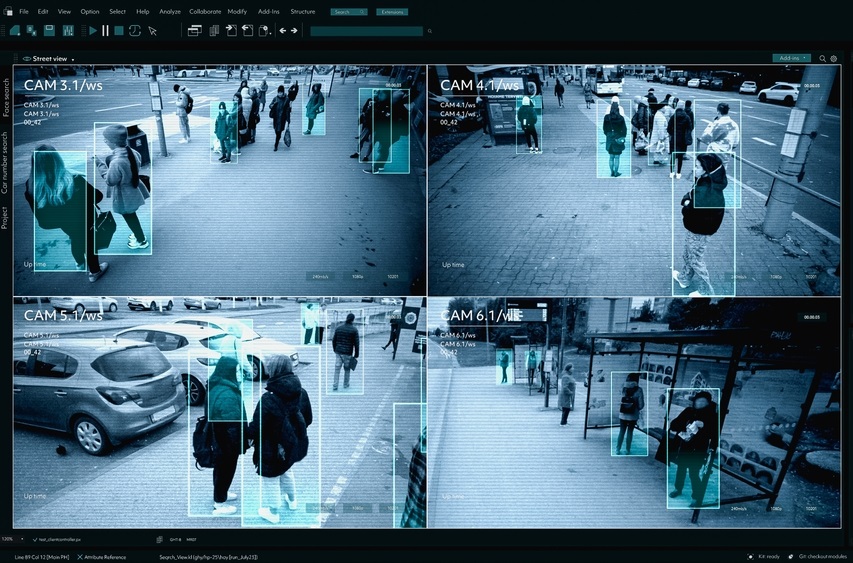
CCTV AI Facial Recognition Camera Authenticating People

Best Practices for Protecting Physical Security Systems

With the understanding that cybersecurity significantly impacts physical security systems, it’s essential to adopt the best practices for protection:

Implementing Cybersecurity Measures

    • Utilize firewalls to protect your network from unauthorized access and employ data encryption to secure sensitive information transmitted over the internet.
    • Ensure that all connected devices, including security cameras and alarm systems, receive timely software updates. Manufacturers frequently release patches to address vulnerabilities.
    • Conduct regular assessments to identify weaknesses in your security infrastructure and address any flaws before they can be exploited.

User Training and Awareness

Educating employees and residents about cybersecurity is a vital component of a robust security strategy:

    • Provide training on recognizing phishing attempts, suspicious emails, and other cyber threats.
    • Implement and communicate clear procedures for handling security incidents, encouraging vigilance.

By fostering a culture of security awareness, you can significantly reduce the risk of human error, which is often a point of vulnerability in security systems.

Future Trends in Security Integration

As we look to the future, emerging technologies and trends will continue to shape the landscape of integrated security:

Emerging Technologies

While the integration of physical and digital security offers numerous advantages, it also creates challenges:

    • AI algorithms are increasingly being employed in security systems to enhance threat detection and response capabilities. For example, machine learning can identify unusual activity patterns and trigger alerts for further investigation.
    • IoT devices will continue to proliferate, connecting various security components. As a result, it is crucial to prioritize cybersecurity measures to safeguard these interconnected systems.
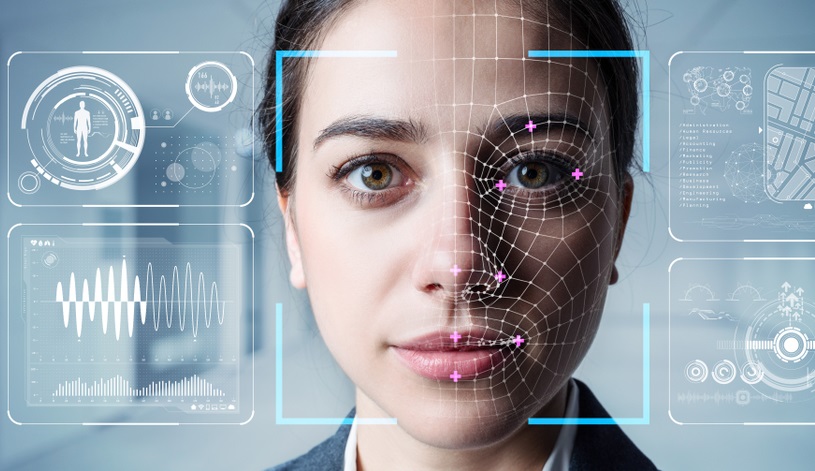
Authentication by facial recognition concept

Unified Security Management

    • Organizations are recognizing the advantages of unifying physical and cyber security measures. A comprehensive strategy that considers both disciplines can enhance overall safety and resilience.
    • By implementing cohesive security policies that address both cyber and physical vulnerabilities, businesses can foster a safer environment and mitigate risks.

Conclusion

The interplay between cybersecurity and physical security systems has profound implications for homeowners and business owners alike. As technology continues to evolve, understanding the potential vulnerabilities arising from the convergence of these security domains is vital. By prioritizing cybersecurity measures and fostering awareness, individuals and organizations can effectively safeguard their physical and digital assets.

Don’t underestimate the impact of cyber threats on your physical security systems—taking proactive steps now can lead to a more secure future. Embrace the integration of security measures and invest in robust solutions that provide comprehensive protection for your home or business.