Understanding the Compliance Standards for Commercial Alarm Systems

I. Introduction

In today's fast-paced business environment, safeguarding your enterprise is more crucial than ever. One of the most effective ways to protect your commercial property and the people inside it is through a reliable alarm system. Yet, many business owners overlook compliance standards when investing in security solutions.

Compliance standards serve as an essential framework for ensuring that alarm systems not only function effectively but also meet legal and safety requirements. In this blog post, we will delve into the importance of understanding these standards and explore the key compliance norms for commercial alarm systems. Our goal is to empower you with the knowledge needed to secure your business effectively while adhering to all necessary regulations.

II. The Importance of Compliance Standards

Understanding and adhering to compliance standards is a fundamental aspect of operating a commercial alarm system. Here's why they matter:

    • Protection for Your Business: Compliance standards help mitigate risks associated with fire or security breaches, thereby safeguarding your assets and personnel.
    • Legal Consequences: Non-compliance can lead to serious repercussions, including fines, lawsuits, and loss of business reputation.
    • Trust and Credibility: Demonstrating adherence to recognized compliance standards enhances the trust customers and clients have in your business. It shows that you prioritize safety and take your responsibilities seriously.

In essence, following compliance standards not only protects your business legally but also builds trust with stakeholders and customers.

III. Key Compliance Standards for Commercial Alarm Systems

Various organizations set compliance standards to ensure the safety and efficacy of alarm systems. Let’s break down some of the most important ones:

Overview: The NFPA develops codes and standards to reduce fire hazards. NFPA 72, in particular, focuses on the installation, maintenance, and performance of fire alarm systems.

Key Requirements:

    • Regular testing and maintenance of fire alarm systems.
    • Compliance with installation protocols, ensuring the system is functional at all times.
    • Training for staff on using fire alarm systems effectively.

What it Represents: Underwriters Laboratories (UL) is an independent organization that tests and certifies products for safety.

Importance of UL Certification:

    • Ensures that your alarm system has passed rigorous safety tests.
    • Helps reduce liability for businesses by utilizing equipment that meets stringent safety criteria.
    • Provides peace of mind knowing that your system meets industry standards.

What it Represents: Underwriters Laboratories (UL) is an independent organization that tests and certifies products for safety.

Importance of UL Certification:

    • Ensures that your alarm system has passed rigorous safety tests.
    • Helps reduce liability for businesses by utilizing equipment that meets stringent safety criteria.
    • Provides peace of mind knowing that your system meets industry standards.

Understanding Local Codes: Each municipality may have specific regulations governing alarm systems and their installation.

Why It Matters:
    • Ensures compliance with local fire and safety codes.
    • Avoids potential fines or sanctions from local authorities.
    • It can influence the design and installation of your alarm system significantly.
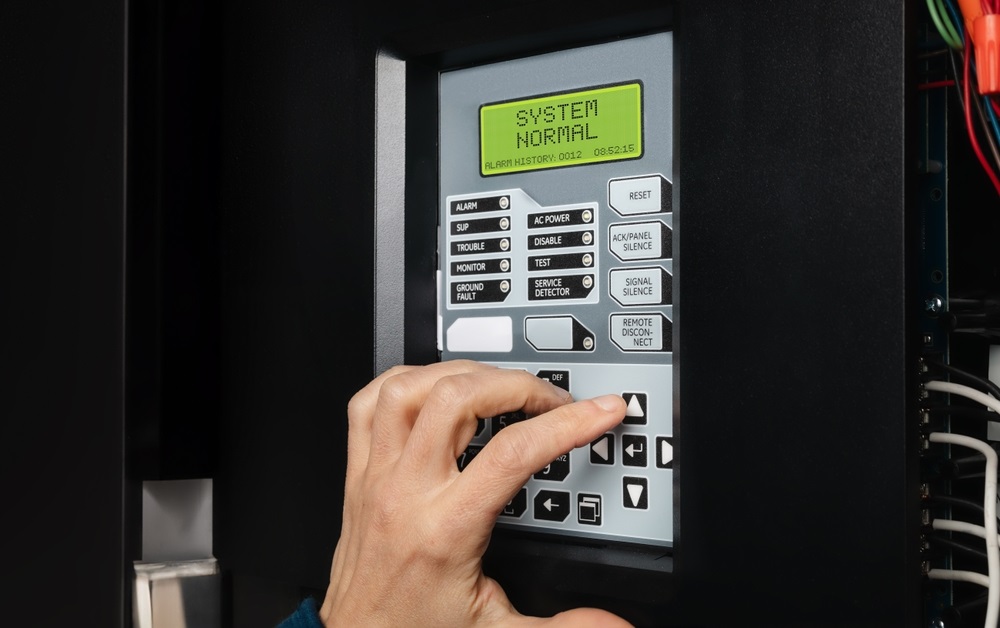
Technician using fire alarm control panel in service room

IV. Steps to Achieve Compliance

Achieving compliance is a continuous process and involves several steps:

Conducting a Compliance Audit

  • Assess Current Systems: Evaluate your existing alarm systems against the compliance standards mentioned above.
  • Identify Gaps: Pinpoint areas where your systems may fall short of these standards and require adjustments or upgrades.

Partnering with Certified Security Professionals

Selecting the Right Partner: Choose alarm system providers who have experience and knowledge in navigating compliance standards.

Benefits:

  • They can help design and implement compliant systems tailored to your business needs.
  • They will stay updated on industry trends and regulatory changes.

Regular Training and Education

Educating Staff: Regular training for employees is crucial for compliance.

  • Training should cover the use of alarm systems and emergency procedures.
  • Ongoing education about changes to standards and regulations should also be included.

V. Common Compliance Challenges

While striving for compliance, many businesses encounter obstacles:

    • Misunderstanding Standards: Many owners may not fully understand the compliance requirements, leading to unintentional oversights.
    • Frequent Changes: Compliance standards are continually evolving, making it challenging to stay updated.
    • Budget Constraints: Upgrading systems and conducting audits can strain financial resources.

While striving for compliance, many businesses encounter obstacles:

    • Consult Experts: Regularly consult with industry experts or compliance consultants who can provide guidance and clarity.
    • Stay Proactive: Keeping an eye on regulatory changes can help you stay one step ahead and mitigate challenges before they arise.
    • Plan for Budget: Allocate a budget for compliance-related upgrades and training sessions to ensure financial feasibility.

VI. Future of Compliance Standards in Commercial Alarm Systems

The landscape of compliance is continuously evolving, driven by technological advancements and emerging threats. Here are some trends to watch:
    • Integration of AI and Automation: Emerging technologies, such as artificial intelligence, are expected to enhance compliance monitoring and reporting.
    • Increased Focus on Cybersecurity: With the proliferation of connected devices, there will be a push for stricter cybersecurity regulations around alarm systems to protect sensitive data and networks.
    • Sustainability Standards: As businesses emphasize eco-friendliness, compliance standards may evolve to include environmental impact considerations in the design and operation of alarm systems.
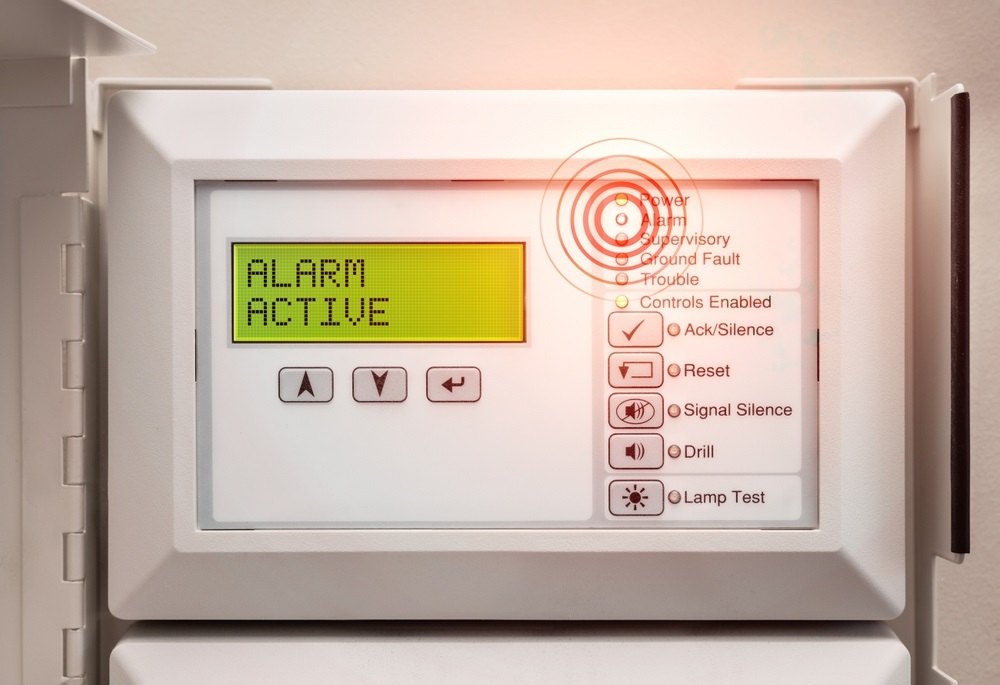
Fire alarm system with active alert

Conclusion

In summary, understanding and adhering to compliance standards is indispensable for commercial alarm systems. By ensuring that your security solutions meet these requirements, you not only protect your business and assets but also build credibility and trust.

    • Conduct audits, partner with professionals, and provide ongoing training to enhance compliance.
    • Stay informed about the evolving landscape of compliance standards to keep your business secure.

We encourage you to consult with security professionals who can guide you through the complexities of compliance and help you implement systems that prioritize safety and security. Your business’s success depends on it!