
Imagine discovering that your trusted home security system, the one that’s kept watch over your family for years, is starting to falter just when you need it most. In regions like Oklahoma and Arkansas, where weather extremes can test even the best equipment, many homeowners face the tough choice between repairing an aging alarm system or investing in a full upgrade. Security system lifespan varies, but knowing when to upgrade alarm system components can save you from unexpected breakdowns and higher costs down the line.
Over the past decade, security technology has advanced rapidly, introducing features like cellular monitoring and smart home integration that older systems simply can’t match. This evolution means that what worked perfectly a few years ago might now leave gaps in your protection. Making the right call—whether to repair or replace—depends on factors like the system’s age, its compatibility with modern tech, overall costs, and most importantly, your family’s safety.
At Security Alarms Company, with 50 years of experience serving homes in Eastern Oklahoma and Arkansas, we’ve helped countless families navigate these decisions. In this post, we’ll break down the key elements to consider, from spotting warning signs to weighing repair vs. replacement options. By the end, you’ll have a clearer picture of how to maintain reliable home security without overspending.
Every security system has a natural lifespan, much like any home appliance. Knowing the typical longevity of different components helps homeowners anticipate issues and plan ahead. For instance, control panels, the brain of your alarm system, usually last 10-15 years before showing signs of wear. Sensors and detectors, which pick up motion or door openings, typically endure 5-10 years, though this can shorten in humid environments common to Oklahoma and Arkansas.
Cameras present another variable: older analog models might only function well for 5-7 years, while newer IP cameras can push to 7-10 years with proper care. Keypads and user interfaces, where you arm and disarm the system, often hold up for 10-12 years. Don’t forget backup batteries—they’re crucial during power outages and generally need replacement every 3-5 years to ensure uninterrupted protection.
Several factors influence how long your system lasts. Environmental conditions play a big role; the humidity and temperature swings in areas like Muskogee or Tahlequah can accelerate corrosion on wiring and components. Regular use and maintenance extend life—systems that get annual checkups fare better than those neglected. The quality of the initial installation matters too; a professional setup from Security Alarms Company ensures everything is wired correctly from the start.
Manufacturer support is key as well. If parts become scarce for an older model, repairs get tricky. Finally, the fast pace of technological advancements in the security industry means even functional systems can become outdated quickly, prompting questions about when to upgrade alarm system features for better performance.
By understanding these lifespans, you can better assess your setup and avoid surprises. Regular evaluations help catch issues early, keeping your home secure year-round.
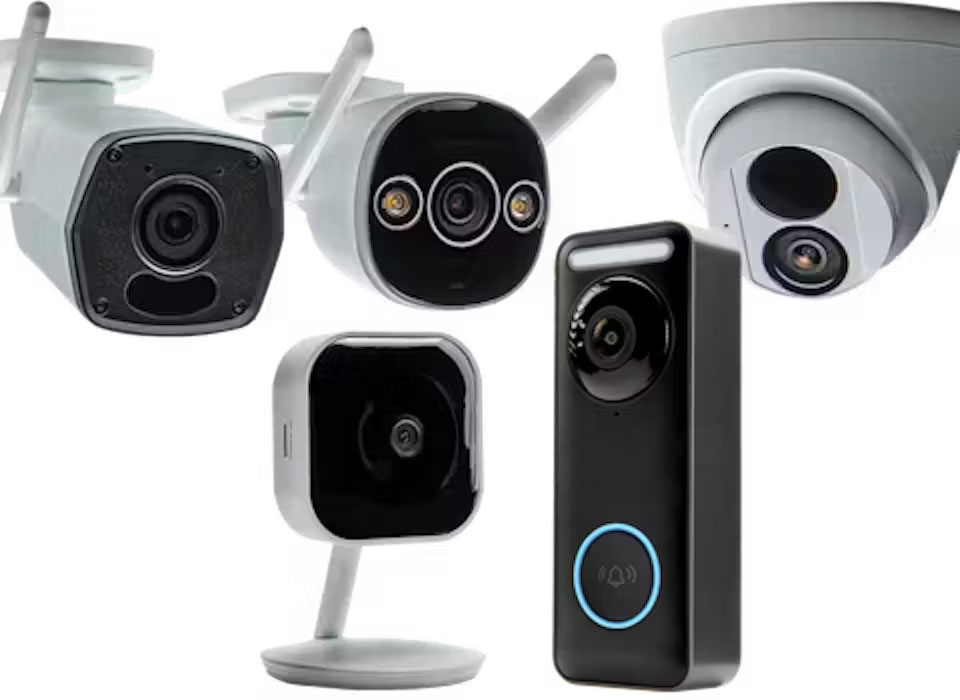
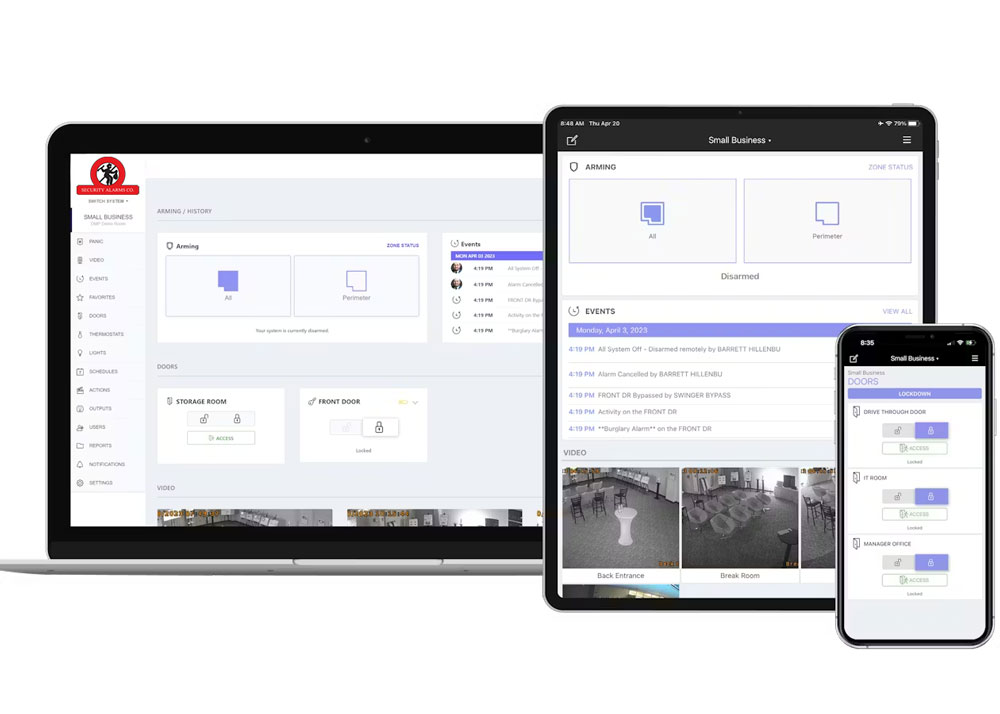
No security system lasts forever, and recognizing early warning signs can prevent minor issues from turning into major headaches. Performance problems are often the first red flags. Frequent false alarms, for example, might signal sensor degradation, especially in older models exposed to dust or moisture. Delayed response times or spotty connectivity could indicate failing wiring or outdated communication tech, leaving your home vulnerable.
Control panel errors, like random beeps or failure to respond, are common in systems nearing the end of their security system lifespan. If arming or disarming becomes a struggle—perhaps the keypad freezes or touchscreens lag—it’s time to investigate. These issues not only frustrate daily use but can compromise safety during emergencies.
Obsolescence is another clear indicator. If your system can’t integrate with modern smart home devices, such as voice assistants or automated lights, you’re missing out on enhanced protection. Lack of mobile app compatibility means no remote access, a must-have in today’s connected world. When manufacturers discontinue support, finding parts becomes impossible, and outdated methods like landline-only monitoring fail during storms common in Arkansas and Oklahoma.
Physical deterioration shouldn’t be ignored either. Look for corroded wiring, especially in outdoor setups weathered by rain or ice. Cracked or yellowed plastic on sensors points to age-related brittleness. Battery backups that fail to hold a charge during tests are a safety risk, while visible wear on detectors—like faded labels or loose mounts—suggests replacement is near.
Sometimes, a simple fix is all your security system needs to keep running smoothly. Repair is often the smart choice when the system is relatively young—say, less than 7-8 years old—and the issue is isolated to one component. If a single sensor fails but the rest of the setup is solid, repairing it preserves your investment without the need for a full overhaul. This approach works best for recently installed systems with modern technology, where manufacturers still offer parts and support.
Common repairable problems include straightforward tasks like battery replacements, which restore backup power quickly. Individual sensors or detectors can be swapped out if they’re causing false alarms, and keypads with sticky buttons or unresponsive screens often just need cleaning or minor fixes. Wiring damage from small incidents, like rodent chewing or accidental cuts, is usually mendable without replacing everything. Even software updates or reprogramming can resolve glitches in compatible systems.
Opting for professional repair services brings added benefits. At Security Alarms Company, we provide a one-year warranty on parts and labor, giving you confidence in the work. Our technicians diagnose issues accurately, preventing unnecessary replacements and helping you maintain familiarity with your existing setup. It’s a cost-effective option for short-term needs, with thorough testing to confirm everything functions as it should.
Cost-wise, repairs are appealing when they’re under 30% of a full replacement price. However, factor in the system’s age—older models might have pricier parts due to scarcity. Labor for complex fixes adds up, and there’s always the risk of recurring problems if the equipment is aging overall.
There comes a point when patching up an old system no longer makes sense, and upgrading becomes the wiser long-term choice. Clear indicators include a system over 10-12 years old, where multiple components are failing simultaneously. If your setup lacks cellular monitoring and relies on landlines, it’s vulnerable to outages—especially in storm-prone areas of Oklahoma and Arkansas. Incompatibility with smart home features, like Z-Wave devices for automated lighting or locks, signals it’s time to modernize.
Upgrading brings significant technology advancements. Modern systems use cellular communication for faster, more reliable alerts, ditching landline dependency. Integration with mobile apps allows remote control from anywhere, while enhanced video surveillance provides clearer footage and motion detection. New sensors offer better accuracy, reducing false alarms, and overall reliability improves with advanced materials resistant to environmental wear.
Safety and financial benefits make it compelling. Cellular setups enable quicker emergency responses and better fire detection integration, saving precious time during outages. Features like remote notifications provide real-time peace of mind, while advanced backups ensure reliability. Security Alarms Company offers a lifetime warranty on control panels, lowering monitoring costs through efficiency and qualifying for insurance discounts. A one-time upgrade often pays for itself in 3-5 years, avoiding repeated repairs and adding home value with protection against threats like cyberattacks.
Deciding between repair and upgrade requires a structured approach to avoid costly mistakes. Start with the 50% rule: if repair costs exceed half the price of a new system, it’s usually better to replace. Factor in the system’s age—older units are more likely to need future fixes, tipping the scales toward upgrade.
The 10-year threshold is another helpful guideline. Systems beyond a decade often face significant technology gaps, like missing app integration or outdated sensors. Parts become harder to find, making repairs inefficient.
Ask yourself key questions to clarify your needs:
A professional assessment adds invaluable insight. Security Alarms Company offers free consultations drawing from 50 years of expertise, providing honest, customized recommendations without pressure.
This framework helps homeowners in Oklahoma and Arkansas make informed choices, balancing cost, convenience, and safety.
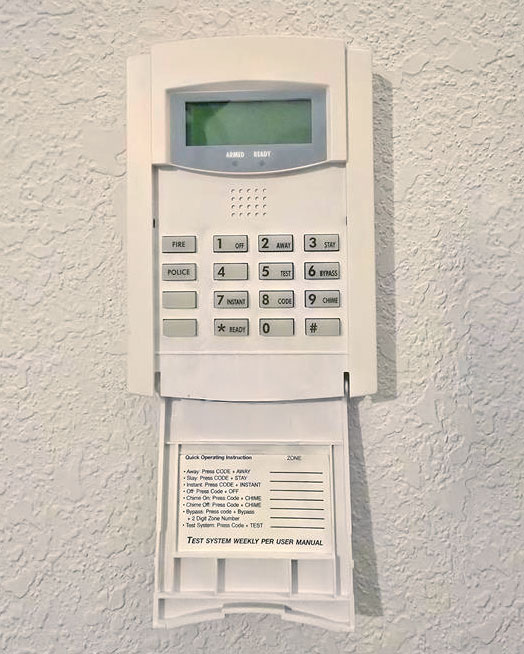
Upgrading doesn’t have to be overwhelming. Our process begins with a comprehensive evaluation of your current setup, followed by a customized design that fits your home’s needs. Professional installation ensures everything is done right, often leveraging existing wiring to minimize disruption.
We provide thorough training on the new system, plus options for ongoing monitoring. The transition is seamless, with full testing to verify performance. Expect efficient timelines—most upgrades complete in a day—keeping your home protected throughout.
n summary, evaluating your security system’s age, performance, costs, and technology is essential for deciding when to upgrade vs. repair. Prioritizing safety ensures reliable protection for your family.
Don’t wait for a breakdown—contact Security Alarms Company today for a free system evaluation. Our experts are ready to guide you toward the best solution for your home in Oklahoma or Arkansas. Call us to schedule your consultation and take the first step toward enhanced security.
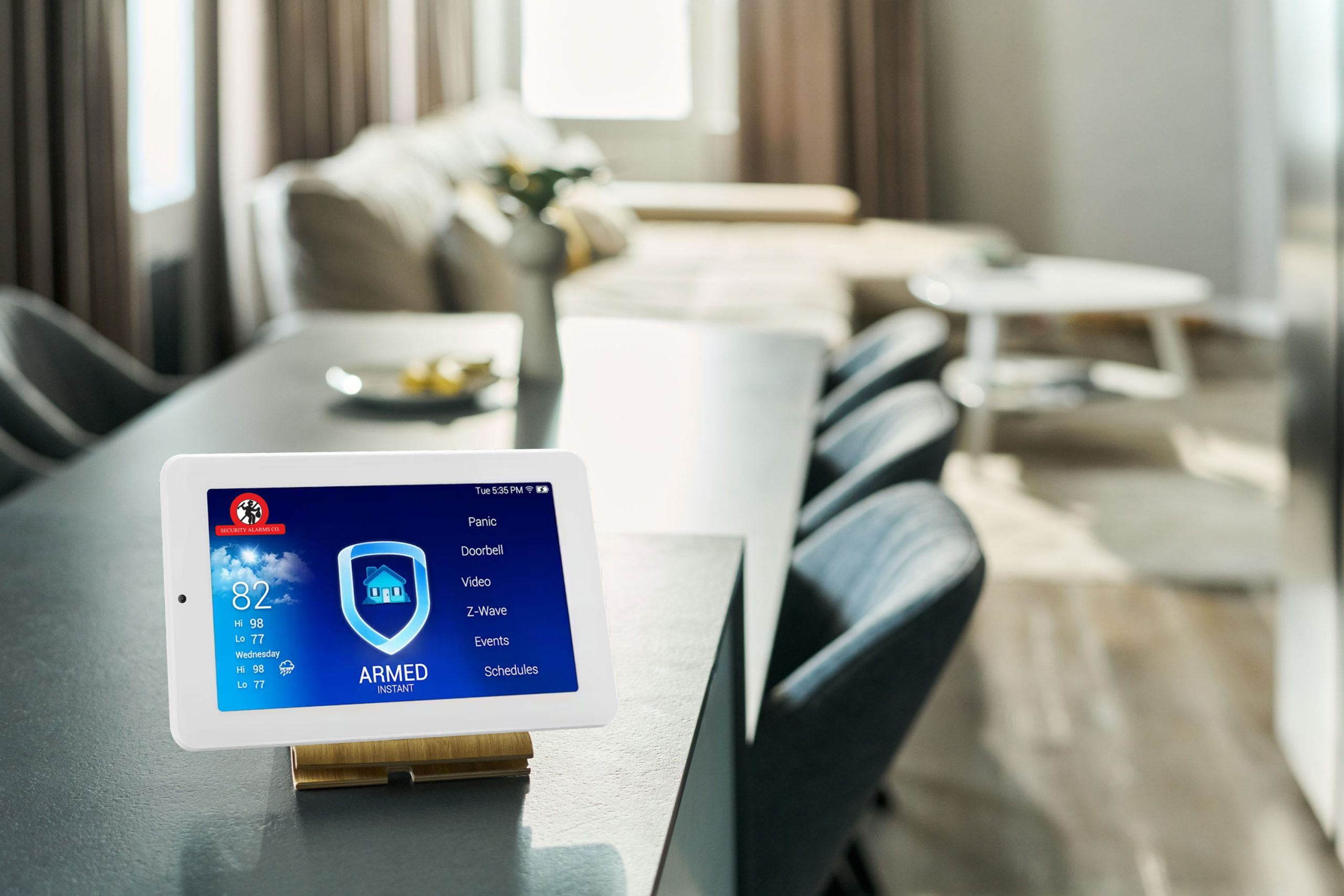
We are a local, private owned company that has been in business for over forty years. We started out in 1973 in Hulbert, Oklahoma and moved to Muskogee, Oklahoma in 1987.
OK Lic. #021 AR Lic. #E0175