As the end of the year approaches, business owners in Oklahoma and Arkansas are wrapping up operations while eyeing the holidays ahead. But amid the rush, one critical area often gets overlooked: fire alarm compliance. Ensuring your commercial fire alarm system meets state regulations isn’t just a checkbox—it’s a safeguard for your property, employees, and peace of mind. With inspections and updates looming, now’s the time to review your setup. In Oklahoma and Arkansas, fire codes evolve to protect against risks like winter weather hazards or outdated equipment, and staying compliant can prevent costly fines or shutdowns. Let’s break down what you need to know to navigate this before December hits.
Fire alarm systems form the backbone of commercial safety in both states, but regulations differ slightly due to local adaptations of national standards like NFPA 72. Oklahoma follows the International Fire Code (IFC) with state-specific amendments, enforced by the Oklahoma State Fire Marshal. Arkansas aligns closely with the same IFC framework, overseen by the Arkansas State Fire Marshal’s office, but emphasizes rural and commercial variances in areas like Fort Smith or Little Rock.
For business owners, this means your fire alarm system must detect smoke, heat, and manual pulls effectively, with audible and visual alerts reaching every corner of your space. Non-compliance can lead to penalties starting at $500 per violation in Oklahoma, escalating for repeat issues, while Arkansas fines can reach $1,000 plus mandatory upgrades.
Regular testing is non-negotiable—Oklahoma mandates quarterly inspections for most commercial properties, while Arkansas requires annual certifications by licensed professionals. If your system hasn’t been checked since last year, year-end is your cue to act.
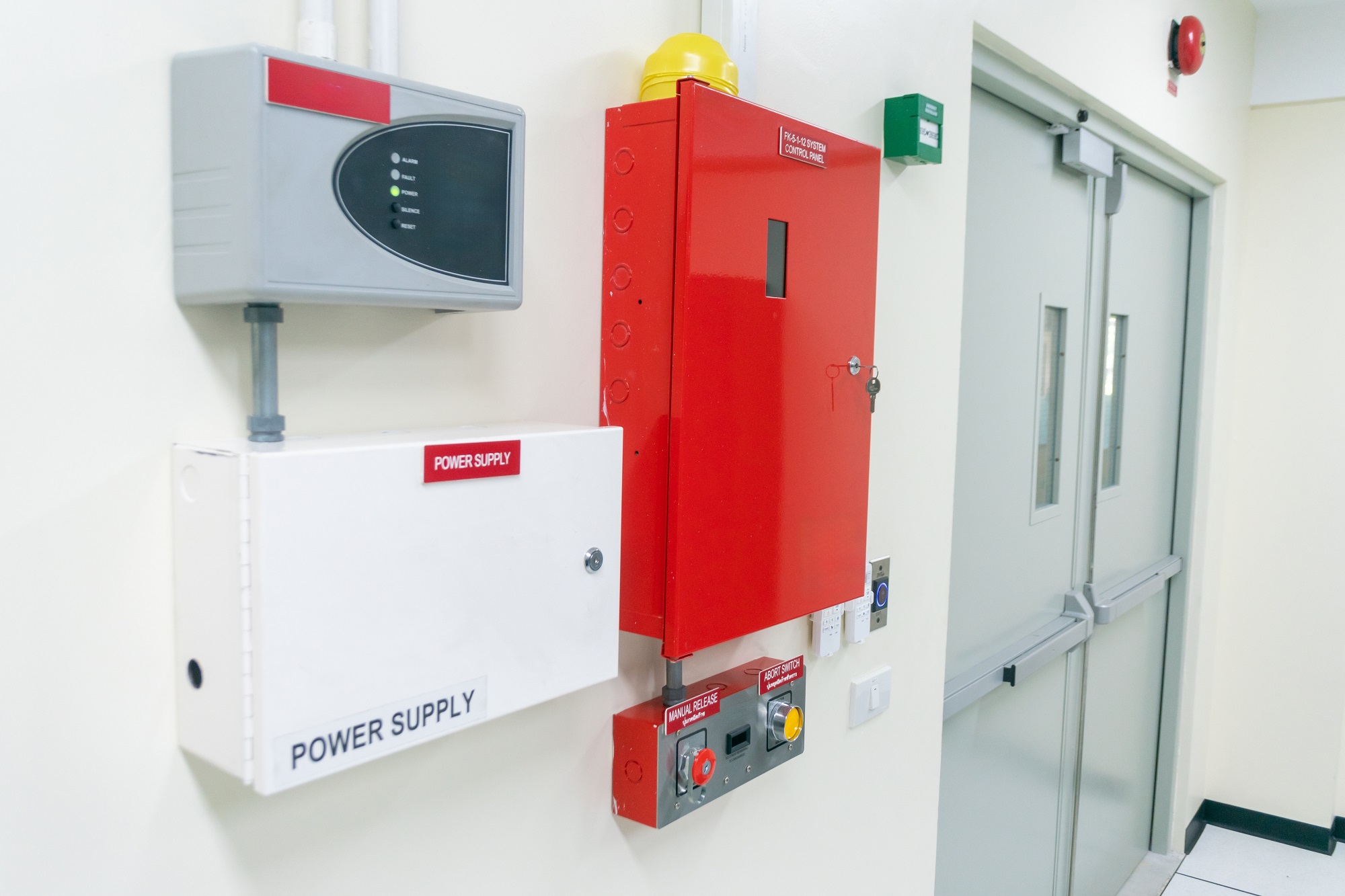
Many business owners discover fire alarm issues only during routine audits or, worse, emergencies. Outdated batteries, neglected maintenance, or incompatible add-ons are frequent culprits. In Oklahoma, the 2023 updates to fire codes tightened rules on low-frequency sounders for better employee alerting, especially in warehouses or retail spaces. Arkansas echoed this with requirements for voice evacuation systems in larger facilities.
To spot potential problems early:
Ignoring these can result in failed inspections, halting operations during peak seasons. A simple walkthrough with a certified technician reveals gaps without disrupting your day.
With holidays on the horizon, scheduling inspections before December 31 is smart. Oklahoma businesses must complete annual fire safety reviews by year-end to avoid carryover fees into the new tax year. Arkansas follows a similar calendar, with many local jurisdictions requiring proof of compliance for business licenses renewed in January.
Start by gathering records: maintenance logs, test results, and installation certificates. If your system is over five years old, a full audit is advisable. Technicians will test:
Budget-wise, expect $200–$500 for a standard inspection in Oklahoma or Arkansas, depending on your facility size. Delaying could double costs if emergency fixes are needed post-holidays.
Pro tip: Use this timeline to bundle services. Companies like Security Alarms Company, with over 50 years serving eastern Oklahoma and western Arkansas, offer comprehensive fire alarm inspections tailored to local codes. Their licensed technicians handle everything from testing to upgrades, ensuring you’re audit-ready without the hassle.
If inspections flag issues, upgrading beats patching every few years. Modern commercial fire alarm systems incorporate addressable panels that pinpoint problems faster, reducing downtime. In Oklahoma, systems must now support remote monitoring via cellular signals—vital during power disruptions from ice storms. Arkansas mandates similar tech for businesses over 10,000 square feet.
Consider these enhancements:
Security Alarms Company specializes in these upgrades for Oklahoma and Arkansas businesses. Their lifetime warranty on control panels means one-time investments pay off, and their local monitoring station ensures 24/7 oversight by real people, not automated lines. Transitioning an existing system? They handle takeovers seamlessly, often at no upfront cost.
Investing in compliance doesn’t have to break the bank. Basic updates for small businesses run $1,500–$3,000, while full installs for larger properties hit $5,000–$10,000. Factor in savings: compliant systems lower insurance premiums by up to 15% in Oklahoma and Arkansas, where fire risks rise with dry autumns turning to windy winters.
Look for incentives:

Weigh this against non-compliance risks: a single fire incident could cost tens of thousands in damages, plus legal fees if codes weren’t followed. Proactive steps now preserve your bottom line year-round.
Compliance extends beyond hardware—your employees must know what to do when alarms sound. Oklahoma and Arkansas codes require annual drills, with documentation for inspections. Untrained staff can turn a minor issue into chaos, delaying evacuations.
Build a solid plan:
Incorporate this into year-end training sessions. Security Alarms Company provides free protocol guides with their services, helping Oklahoma and Arkansas businesses foster a safety-first culture without extra effort.
As 2025 unfolds, expect more emphasis on integrated tech. Oklahoma’s fire marshal is pushing IoT-enabled alarms that sync with security cameras for real-time video verification. Arkansas is following suit, requiring CO2 detection in high-risk zones like manufacturing.
Stay ahead by exploring:
These trends not only ensure compliance but future-proof your operations against evolving codes.
Investing in a multi-sensor security system is more than a precaution—it’s a proactive step toward protecting your home, business, and the people you care about.
By combining motion, door, and window sensors, property owners create a layered security network that detects threats early, minimizes blind spots, and integrates seamlessly with local monitoring for rapid response.
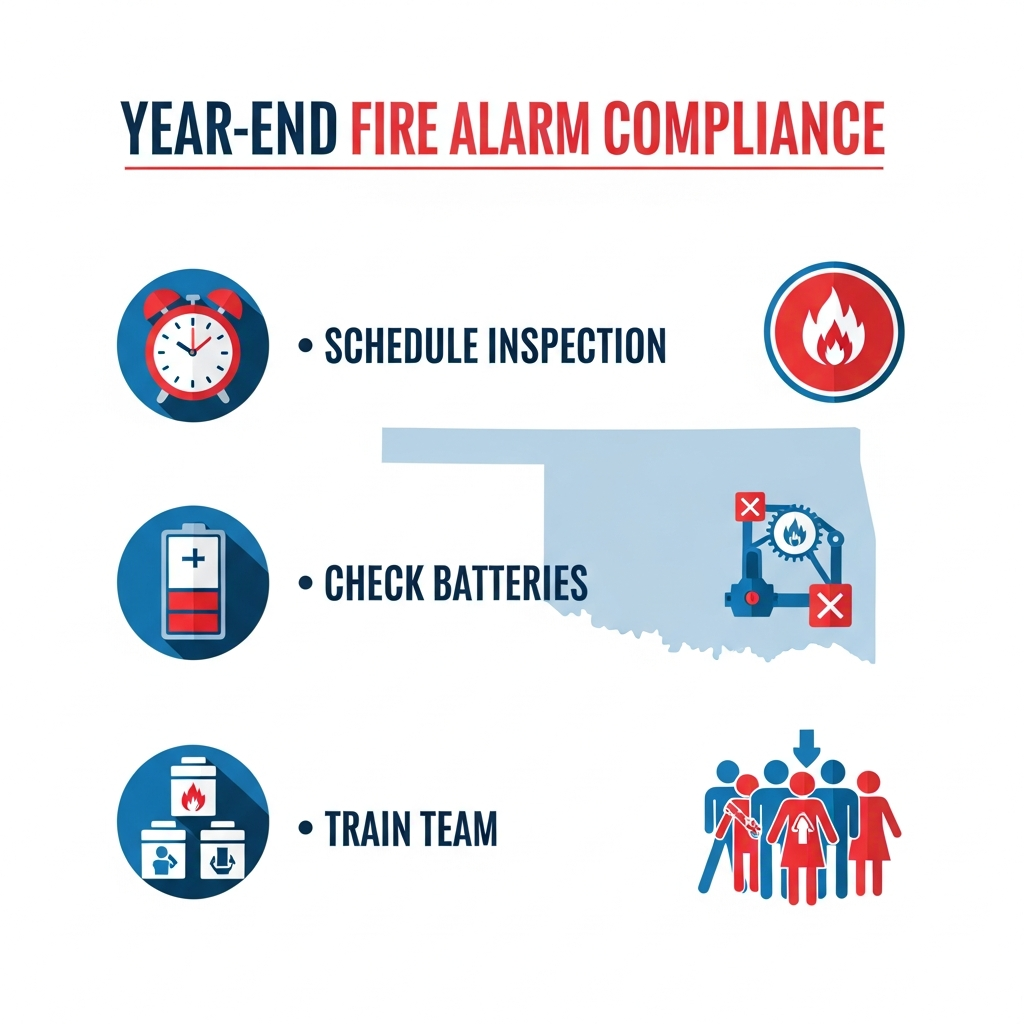
With deadlines approaching, create a checklist to tackle fire alarm compliance head-on:
Addressing these keeps your business safe and operational through the holidays and beyond.
Fire alarm compliance isn’t just about meeting Oklahoma and Arkansas regulations—it’s about protecting what you’ve built. As year-end pressures mount, don’t let overlooked details expose your commercial property to risks. Take charge now: contact Security Alarms Company at (918) 683-560 for a free consultation on fire alarm inspections, upgrades, or monitoring takeovers. Their decades of local service ensure tailored solutions that fit your needs, from Tulsa shops to Fort Smith offices. Schedule your review today and step into 2025 with confidence—your business deserves nothing less.
We are a local, private owned company that has been in business for over forty years. We started out in 1973 in Hulbert, Oklahoma and moved to Muskogee, Oklahoma in 1987.
OK Lic. #021 AR Lic. #E0175